Adrenaline makes people say and do things at a crash scene that they later regret. Print this, keep it in the glove box, and you'll have a script when you need one.
At the scene
- Check for injuries and call 911. Ask for police even for minor collisions; a report matters later.
- Move vehicles out of traffic if it's safe and legal to do so, then turn on hazard lights.
- Exchange information: name, phone, address, driver's license number, plate, insurance company and policy number. Photograph their license and insurance card.
- Photograph everything: all vehicles from multiple angles, damage close-ups, skid marks, debris, traffic signs and signals, weather, and road conditions.
- Get witness names and numbers.
- Don't apologize or discuss fault. "Are you okay?" is fine. "I'm so sorry, I didn't see you" is an admission.
- Note the responding officers' names and the report number.
The same day
- Get medical attention even if you feel fine. Whiplash, concussions and soft-tissue injuries often appear the next day.
- Notify your own insurer. Most policies require prompt notice.
- Write down everything you remember while it's fresh.
The first week
- Get the police report.
- Keep a file: bills, receipts, missed-work records, repair estimates, and a daily note about pain and limitations.
- Do not give a recorded statement to the other driver's insurer, and don't accept a quick settlement offer before you know the extent of your injuries. Talk to an attorney first if anyone was hurt.
- Stay off social media about the crash.
When to call an attorney
If anyone was injured, fault is disputed, the other driver was uninsured, or an insurer is pressuring you, a consultation is worth it. Many attorneys who handle crash cases offer one at no cost.
Deadlines to file a claim vary by state, and claims against government vehicles can require notice within months. This is general information, not legal advice.
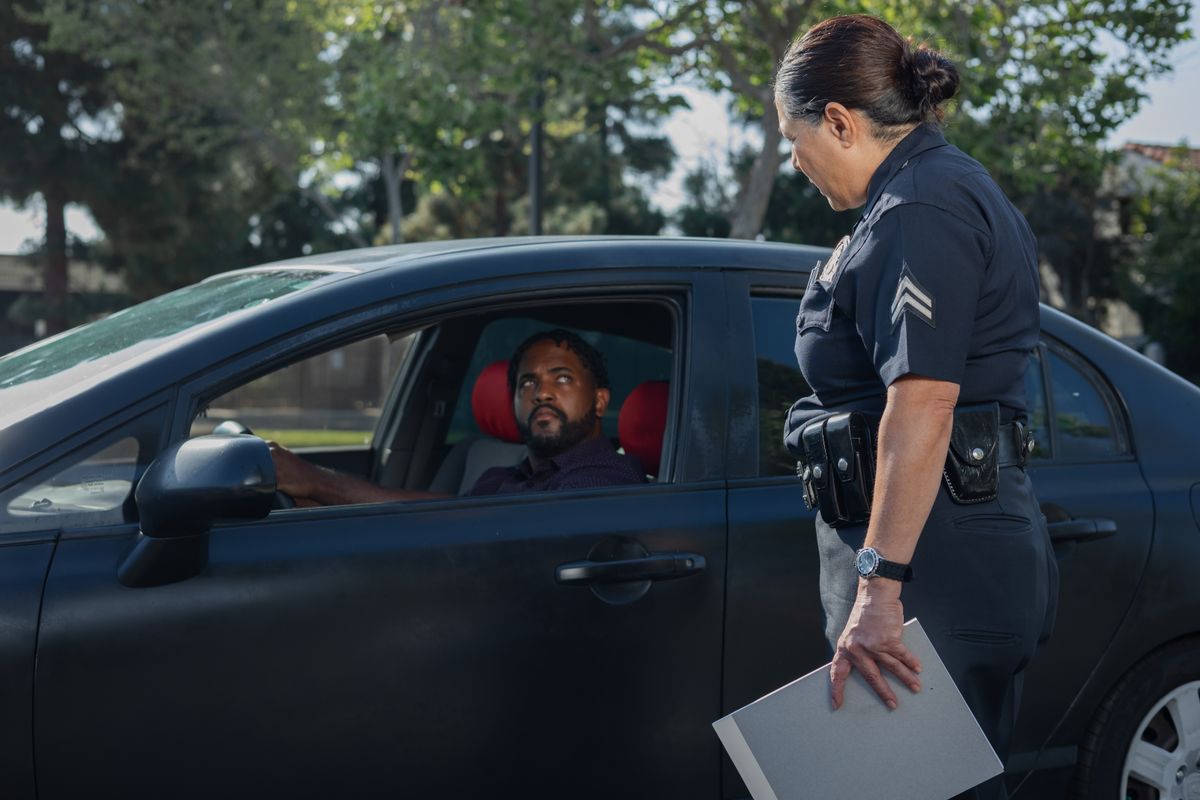
What to keep in your glove box before you need it
The checklist above works best if you aren't hunting for a pen with shaking hands. Take ten minutes this weekend to set up your car:
- Current insurance card and registration, in a single envelope that's easy to grab
- A pen and a small notebook, or a printed card with blanks for the other driver's details
- Your insurer's claims phone number and your policy number, written down in case your phone is dead
- A short list of emergency contacts and any medical conditions or allergies a responder should know about
- A flashlight, and reflective triangles or flares
- A basic first aid kit
- A charging cable that works in your car
Also save your insurer's claims number in your phone, and check whether its app lets you start a claim with photos from the scene.
If you share cars with family members or have a teenage driver, set up each vehicle the same way. A new driver who knows exactly where the envelope is will be far better equipped for a stressful moment.
Working with your own insurer after the crash
Even when the other driver is clearly at fault, your own policy may pay for some things faster. It helps to know what you carry.
Depending on your state and policy, you may have personal injury protection or medical payments coverage, which can pay medical bills regardless of fault. In no-fault states, your own coverage is usually the first stop for injury expenses. Collision coverage can repair your car right away, minus your deductible, and your insurer may later try to recover that money from the other driver's company. Rental reimbursement coverage, if you have it, helps while your car is in the shop.
In many states you can choose your own repair shop rather than one an insurer suggests. Photograph the damage before repairs begin and keep every estimate.
If your car is declared a total loss, ask how the value was calculated and request the comparable-vehicle report. You can push back with listings for similar cars in your area if the number seems low.
Cooperate with your own insurer as your policy requires. That's a different obligation from giving a statement to the other driver's company.

A realistic example
Consider a hypothetical: Jordan was stopped at a red light when a pickup truck hit his car from behind. He checked on the other driver, called 911 and used the envelope in his glove box to exchange information. He photographed the other driver's license and insurance card, both vehicles, the intersection and the traffic light before the cars were moved.
He felt shaken but fine. By the next morning his neck was stiff and he had a headache, so he went to urgent care and then reported the crash to his own insurer.
Two days later, the other driver's insurer called, asked to record his account and mentioned a quick payment if he would sign a release. Jordan said he wasn't ready to discuss it. He got the police report, started a file for bills and a daily note about his symptoms, and scheduled a consultation with an attorney who handles crash cases.
Common questions
Do I have to report a minor car accident to the police?
It depends on your state. Many states require a report when someone is injured or killed, or when property damage exceeds a set amount, and some also require a written report to the motor vehicle agency within a short window. Even when a report isn't required, having one makes later claims much easier. Check your state motor vehicle agency's website for the specific rules.
What happens if the driver who hit me has no insurance?
Your own policy may help. Uninsured motorist coverage can pay for your injuries, and in some states property damage, when the at-fault driver has no insurance. Some states require insurers to offer it, and others require drivers to carry it. Report the crash to your insurer promptly, get the police report, and review your policy's notice requirements, which can be strict for uninsured claims.
Should I let the other driver pay for the damage without involving insurance?
It's usually risky. Damage often costs more to fix than it looks, injuries can surface days later, and a private promise to pay is hard to enforce. Skipping a report may also violate your policy's notice requirements or state reporting rules. If you agree to anything informal, get it in writing, and consider notifying your insurer anyway so your coverage stays protected.
Set up your glove box envelope this week, and tell everyone who drives your car where to find it.