What hair relaxers are
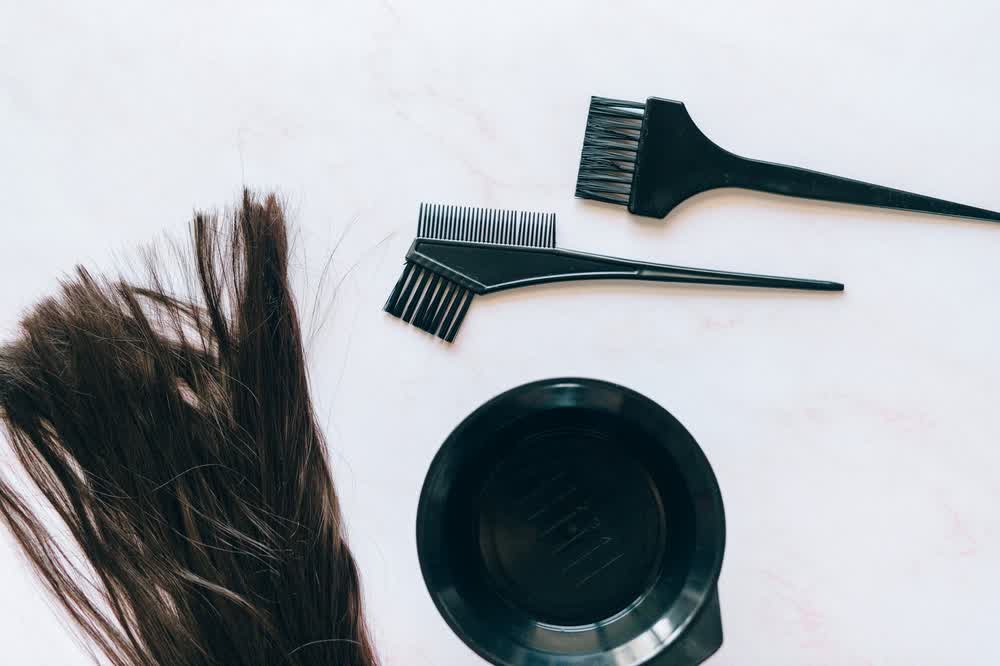
Chemical hair relaxers and straighteners break down the natural curl pattern of hair to make it straight. They are applied in salons or with home kits, often every few weeks or months. Some smoothing treatments have contained formaldehyde or chemicals that release it. Uterine cancer is cancer of the uterus, the organ where a baby grows during pregnancy; endometrial cancer begins in its inner lining.
The lawsuits claim that manufacturers knew or should have known that ingredients in these products could raise cancer risk and failed to warn users. The companies deny the claims.
Who may be affected
The cases mostly involve women who used relaxers or straighteners regularly for years and were later diagnosed with uterine cancer, including endometrial cancer, the most common type, or in some cases ovarian cancer or other conditions.
Because these products have been used most often by Black women, the issue has drawn particular attention in Black communities and among health advocates.
What research shows
The key study comes from the Sister Study run by the National Institutes of Health, which followed more than 33,000 U.S. women for nearly 11 years. Women who used straighteners more than four times in the prior year were about 2.5 times as likely to develop uterine cancer as women who never used them. Researchers estimated that 1.64 percent of never-users would develop uterine cancer by age 70, compared with 4.05 percent of frequent users.
The researchers said the study does not prove that the products cause cancer and that more research is needed. No link was found for hair dyes, highlights or perms.
Where things stand (as of October 2026)
More than 12,000 federal cases are gathered before a judge in Chicago, according to federal court statistics from October 1, 2026. In this kind of grouping, called multidistrict litigation, similar cases from around the country share pretrial work before one judge, but each case keeps its own claims. Test cases, called bellwether cases, were chosen in 2026, and the first trials are not expected before 2027. No global settlement had been reported in the sources checked.
Since 2023 the FDA has said it planned to propose a ban on formaldehyde and related chemicals in hair-straightening products, but it missed a series of target dates, the latest in December 2025. The agency says the rule remains a priority; no proposal had been published as of the latest reports checked.
Deadlines and what to gather
Each state sets its own statute of limitations, the legal deadline for filing a lawsuit. It is often tied to the date of diagnosis or to when a person learned of a possible link, so timing can differ a lot from one person to the next. If a person dies before a claim is filed, family members may have a separate wrongful death claim with its own deadline.
- Medical records and pathology reports for the diagnosis
- A history of the products used: brands, years, how often, and whether in a salon or at home
- Receipts, salon records or product photos, if available
- Names of stylists or salons that applied treatments
- Family medical history your doctor has recorded
Talking to a lawyer
A licensed attorney who handles product injury cases can explain whether your diagnosis and product history fit these lawsuits and which deadlines apply. Your state bar's lawyer referral service can help you find one.
These cases are usually handled on a contingency fee: a percentage of any recovery under a written agreement. Ask about the percentage, the costs and how often you will get updates. Product records matter in these cases, so bring any salon receipts or old packaging to a first meeting.