What AFFF and PFAS are
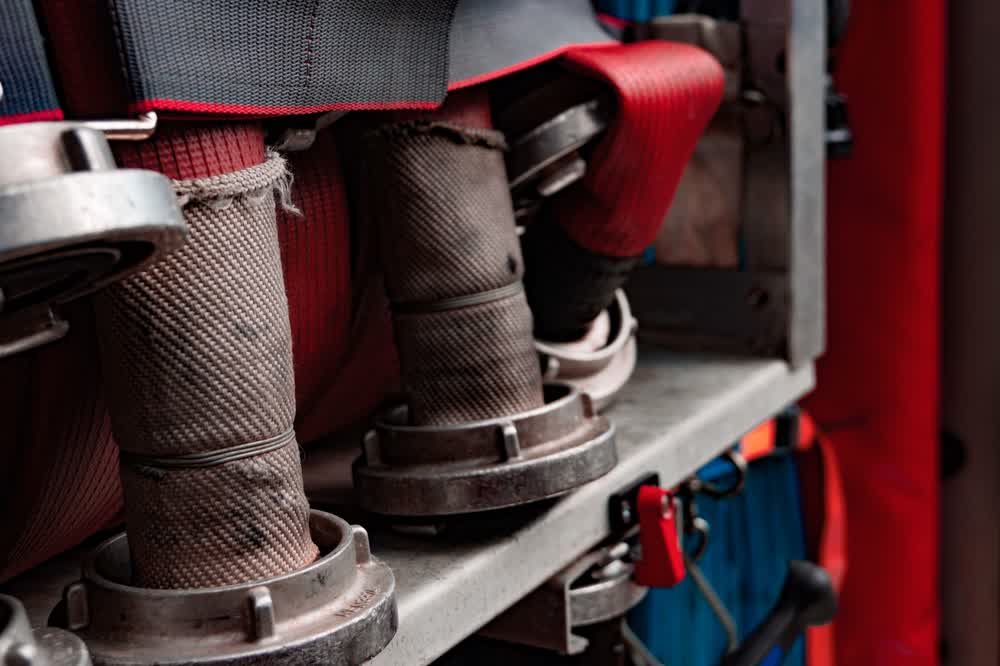
Aqueous film-forming foam, or AFFF, is a firefighting foam designed to smother fuel fires. Many versions contain PFAS, short for per- and polyfluoroalkyl substances, a large family of man-made chemicals. They are nicknamed forever chemicals because they break down very slowly and can build up in people and the environment.
Foam used in training and emergencies at military bases, airports and fire stations has also seeped into groundwater, contaminating some drinking water supplies. Not all firefighting foam contains PFAS, and the Defense Department has been working to switch to PFAS-free foams.
Who may be affected
The lawsuits involve two main groups: people exposed on the job, such as military and civilian firefighters and airport crews, and people who drank water contaminated with PFAS near bases, airports or factories. The EPA lists firefighting and chemical manufacturing among the ways people can be exposed. Family members of people who died may also bring claims.
Health problems involved
In 2023 the International Agency for Research on Cancer classified PFOA, one common PFAS, as carcinogenic to humans. The federal injury cases focus on conditions including kidney cancer, testicular cancer, thyroid disease and ulcerative colitis. The EPA says peer-reviewed studies have linked exposure to certain PFAS to:
- Increased risk of some cancers, including kidney, testicular and prostate cancer
- Decreased fertility and high blood pressure during pregnancy
- Developmental effects in children, such as low birth weight
- A weaker immune response, including to vaccines
- Higher cholesterol and changes in the body's hormones
Where things stand (as of October 2026)
Federal AFFF cases are gathered before a judge in Charleston, South Carolina, with about 15,300 pending on October 1, 2026. Claims by water utilities led to large settlements, including one with 3M approved in 2024 worth $10.5 billion to $12.5 billion paid through 2036. Those deals pay public water systems, not individuals.
Personal injury claims are still unresolved. The first injury trial, a kidney cancer case set for October 2025, was called off in August 2025 after the court learned of thousands of unfiled claims and ordered them filed and documented. As of October 2026, no global settlement of injury claims had been reported in the sources checked.
Rules are shifting too. In May 2026 the EPA proposed letting some water systems take until 2031 to meet its drinking water limits for two PFAS, PFOA and PFOS, and proposed changes to rules for four others.
Deadlines and what to gather
Each state sets its own statute of limitations, the legal deadline for filing a lawsuit, often running from diagnosis or from when a person learned of a possible link. The federal court has also set its own filing and proof requirements for these cases. Water contamination claims may require proof of where you lived and for how long, so old leases and utility bills can help.
- Medical records confirming the diagnosis and its date
- Service or employment records showing firefighting work or foam use
- Training records and base or airport assignments, with dates
- Addresses where you lived and the water utility that served each one
- Any water testing notices from your utility
Talking to a lawyer
A licensed attorney who handles PFAS or toxic exposure cases can explain whether your illness is among those being litigated and what proof the court requires. Your state bar's lawyer referral service can help you find one. Veterans can also ask the VA about health care and benefits.
These cases are typically handled on a contingency fee, a written agreement for a percentage of any recovery. Ask about the percentage, the costs and how a group settlement would be divided.