What these drugs are
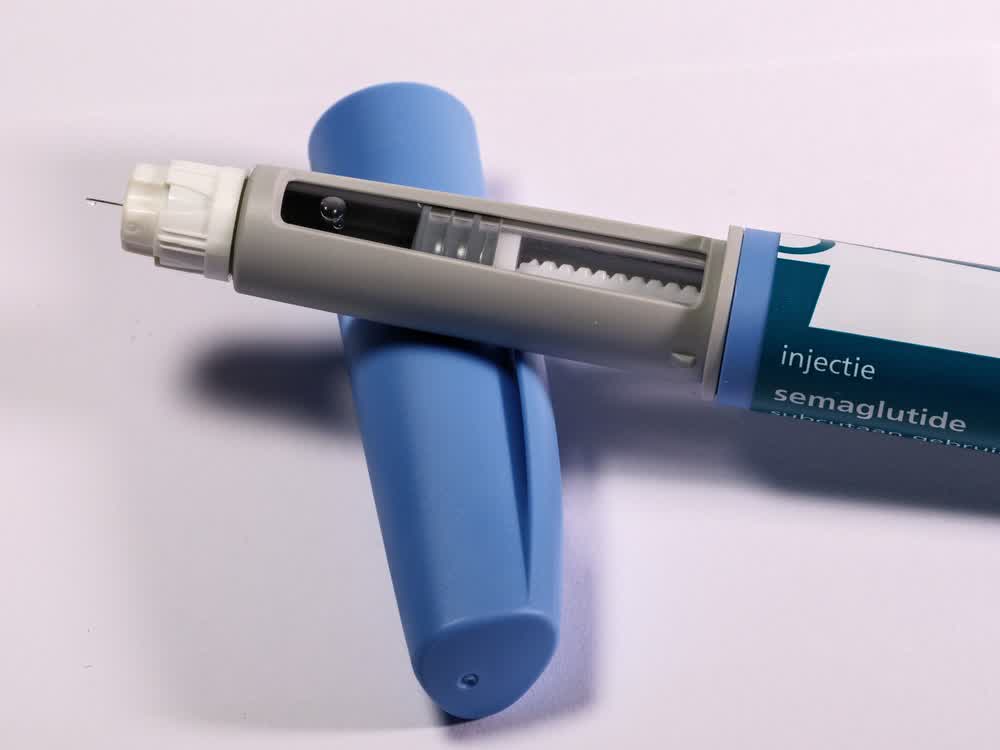
Ozempic and Wegovy contain semaglutide and are made by Novo Nordisk; Ozempic is approved for type 2 diabetes and Wegovy for weight management. Mounjaro contains tirzepatide and is made by Eli Lilly for type 2 diabetes. They are often called GLP-1 drugs because they mimic gut hormones that help control blood sugar and appetite.
Part of how they work is by slowing how fast the stomach empties. Their labels already mention delayed stomach emptying, and common side effects include nausea and vomiting.
Who may be affected
The lawsuits involve people who took these drugs and were later diagnosed with conditions such as gastroparesis, ileus or intestinal blockage, or, in a separate group of cases, a sudden loss of vision called NAION. Most claims are against Novo Nordisk and Eli Lilly, which dispute them. The lawsuits focus on serious or lasting conditions, not the short-lived nausea many people feel when they start these drugs.
The health problems involved
In 2023 the FDA updated the Ozempic label to note reports of ileus, while stating that such reports cannot reliably establish that the drug caused them. In June 2025 Europe's medicines regulator concluded that NAION is a very rare side effect of semaglutide, affecting up to 1 in 10,000 users. Anyone with sudden vision changes should get medical care right away. The conditions at issue are:
- Gastroparesis, sometimes called stomach paralysis: the stomach empties too slowly, causing vomiting, pain and fullness
- Ileus and intestinal obstruction: the bowel stops moving food along or becomes blocked
- NAION (non-arteritic anterior ischemic optic neuropathy): reduced blood flow to the optic nerve that can cause sudden vision loss, usually in one eye
Where things stand (as of October 2026)
Federal cases are gathered before one judge in Philadelphia in two groups: about 4,000 stomach and bowel cases and about 250 vision loss cases, as of October 1, 2026. Grouping cases this way, called multidistrict litigation, lets the court decide shared questions once instead of thousands of times.
In August 2025 the judge ruled that people claiming drug-induced gastroparesis need a gastric emptying study, a test that measures how fast food leaves the stomach, done at the time of diagnosis. The court scheduled hearings for September 2026 on whether the plaintiffs' experts may testify that the drugs can cause lasting stomach problems. No ruling on that question, and no trials or settlements, had been reported in the sources checked by late October 2026.
Deadlines and what to gather
Each state sets its own statute of limitations, the legal deadline for filing a lawsuit, often starting when the injury was diagnosed or linked to a cause. Because these drugs are newer and the science is still developing, timing questions can be complicated.
- Pharmacy records showing which drug you took, the doses and the dates
- Medical records of the diagnosis, including any gastric emptying study, scans or eye exams
- Emergency room and hospital records
- A timeline of symptoms, when they started and when they stopped
- Notes on whether the medicine came from a regular pharmacy or from a compounding or online source
Talking to a lawyer
A licensed attorney who handles drug injury cases can review whether your diagnosis and records fit these lawsuits, including the testing the court now requires for gastroparesis claims. Your state bar's lawyer referral service can help you find one.
Drug injury lawyers usually work on a contingency fee: a percentage of any recovery, set out in a written agreement. Ask how costs such as medical record fees and expert reviews are handled. Bring pharmacy records and any test results to a first meeting, since they are often the starting point.