What happened
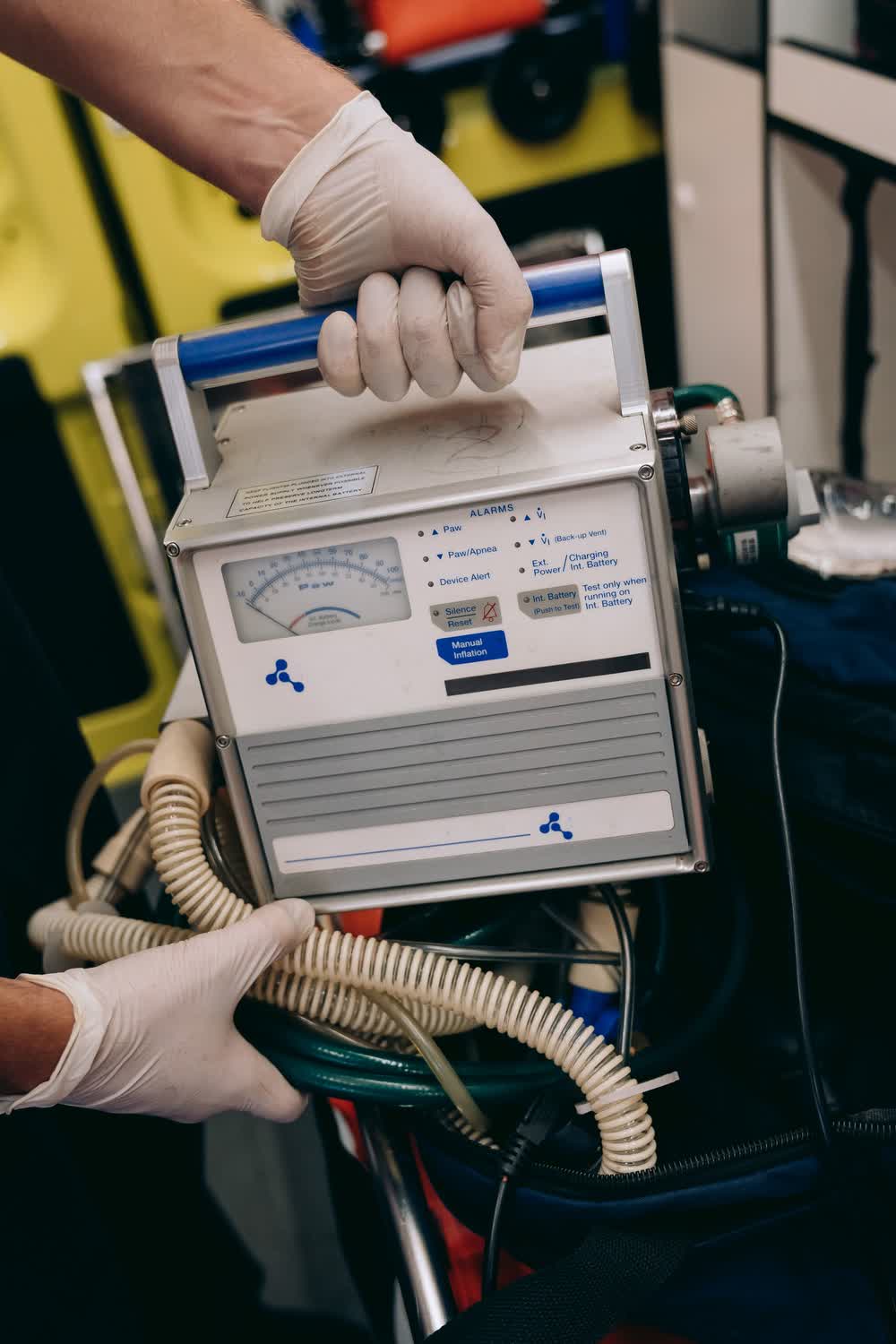
CPAP and BiPAP machines push air through a mask to keep the airway open during sleep, most often for sleep apnea, and ventilators help people breathe. A BiPAP is similar to a CPAP but uses two pressure levels, one for breathing in and one for breathing out. In June 2021, Philips Respironics recalled certain models made between 2009 and April 26, 2021, including DreamStation, SystemOne, A-Series BiPAP and Trilogy devices.
The problem was a polyester-based polyurethane foam, called PE-PUR, used to reduce noise. The FDA says the foam can break down, sending black particles or invisible chemicals into the air path, where they could be breathed in or swallowed. Heat, humidity and unapproved cleaning methods such as ozone cleaners may make the breakdown worse.
Who may be affected
Anyone who used a recalled machine may be affected, along with the families of users who have died. The recall covered certain Philips Respironics devices only; machines from other makers were not part of it. Separate claims for economic losses covered people and organizations that bought or leased the devices.
Possible health risks
The FDA has warned that the foam problems could potentially result in serious injury and may require medical treatment to prevent permanent harm. Risks it has described include headache, irritation, breathing problems and possible toxic and cancer-causing effects.
Lawsuits claim the machines caused cancers, lung disease and other illnesses. Philips does not admit that its devices caused any injuries. Do not stop using a prescribed breathing machine or try to remove the foam yourself; talk with your doctor first.
Where things stand (as of October 2026)
In April 2024, a federal court in western Pennsylvania entered a consent decree, a court-enforced agreement, that bars Philips Respironics from making and selling new CPAP, BiPAP and other devices at certain U.S. facilities until it meets FDA requirements. It also requires Philips to give affected patients a new or reworked device or, for some devices, a partial refund, and to get written notice from the FDA before resuming the restricted operations.
Servicing and replacement parts for existing machines continue, and the sources checked showed no announcement that U.S. sales of new sleep machines had resumed by October 2026.
Two settlements followed: an economic loss settlement for people who bought or leased devices, and a $1.1 billion personal injury and medical monitoring settlement announced in April 2024, with payments expected to begin in 2025. About 620 cases were still pending in federal court on October 1, 2026.
Deadlines and what to gather
The economic loss settlement's deadline to file a claim and return a device was August 9, 2024, and the settlement programs set other deadlines as well, so check with the settlement administrator or a lawyer about your status. Lawsuits outside those programs are subject to state statutes of limitations, which differ by state.
- The device model and serial number, usually printed on a label underneath
- Your recall registration confirmation and any replacement or repair records
- Prescriptions and sleep study records showing how long you used the device
- Medical records for any diagnosis you believe is related
- Any settlement notices or claim numbers
Talking to a lawyer
A licensed attorney who handles medical device cases can check whether you registered for a settlement, what that means for other claims and which deadlines still apply. Your state bar's lawyer referral service can help you find one.
Device injury lawyers usually work on a contingency fee: a percentage of any recovery under a written agreement. Ask how settlement payments and costs would be divided. Bring the device's serial number and your recall registration information to a first meeting.