What paraquat is
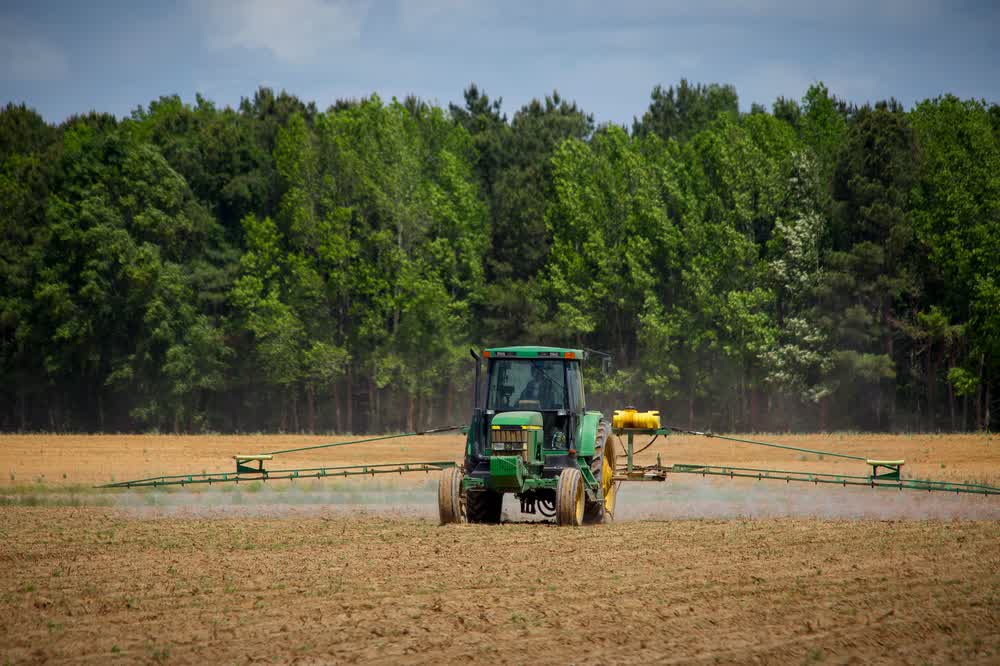
Paraquat dichloride is a fast-acting herbicide, or weed killer, used on many farm crops to control weeds and grasses. Syngenta sold it under the brand name Gramoxone, and other companies sell their own versions.
It is highly toxic. Its label carries the "Danger - Poison" warning. In the United States all paraquat products are restricted use pesticides, which means only certified applicators who have completed special training may use them. More than 70 countries, including China and the members of the European Union, have banned it.
Who may be affected
The lawsuits mostly involve people who mixed, loaded or sprayed paraquat, such as farmers, farmworkers and commercial applicators, and who were later diagnosed with Parkinson's disease. Some claims involve people who lived or worked near fields where it was sprayed, a kind of exposure some research has also examined. Because use is limited to certified applicators, many people with claims have licenses, training records or employer records that show their use.
The health question: Parkinson's disease
Parkinson's disease is a brain disorder that worsens over time and causes shaking, stiffness, slow movement and balance problems.
Research is divided. Some studies have reported higher Parkinson's rates among people who used paraquat; one widely cited 2011 study found that people who used it were more than twice as likely to have the disease. A 2020 update of a large government-funded study of farm pesticide users found no link. The EPA says it has not found a clear link between paraquat exposure from uses allowed on the label and Parkinson's disease. Syngenta denies that paraquat causes Parkinson's.
Where things stand (as of October 2026)
Federal lawsuits are gathered before a judge in southern Illinois, with about 6,600 pending on October 1, 2026. Syngenta reached a master settlement agreement, a deal that sets up a program to resolve many cases at once, with the lead plaintiffs' lawyers in August 2025. Its terms are confidential, payment depends on how many people join, and Syngenta says settling is not an admission of liability. The court has also set procedures for plaintiffs who decline the deal.
In March 2026, Syngenta announced it would stop making Gramoxone by June 30, 2026, citing competition from generic makers; paraquat from other companies remains on the market. In May 2026, Vermont became the first state to ban paraquat, ending most sales and use from late 2026 with a full ban by the end of 2030. The EPA's reassessment of paraquat was still not complete as of mid-2026.
Deadlines and what to gather
Each state sets its own statute of limitations, the legal deadline for filing a lawsuit. The clock often starts at diagnosis or when a person learned of a possible link, and the rules differ by state. Settlement programs set their own deadlines too. If a person with Parkinson's disease dies, family members may have a separate wrongful death claim with its own deadline.
- Medical records confirming the Parkinson's diagnosis and when it was made
- Pesticide applicator licenses or training certificates
- Work records, spray logs, purchase receipts or farm records showing paraquat use
- Names of employers, farms or coworkers who can confirm the exposure
- Any letters about the settlement program
Talking to a lawyer
A licensed attorney who handles pesticide injury cases can explain whether a claim is already pending for you, how the settlement program works and what options exist for someone who has not joined it. Your state bar's lawyer referral service can help you find one.
These cases are usually handled on a contingency fee, where the lawyer is paid a percentage of any recovery under a written agreement. Ask how costs are handled and what share of any settlement payment would go to you.