What happened and what programs exist
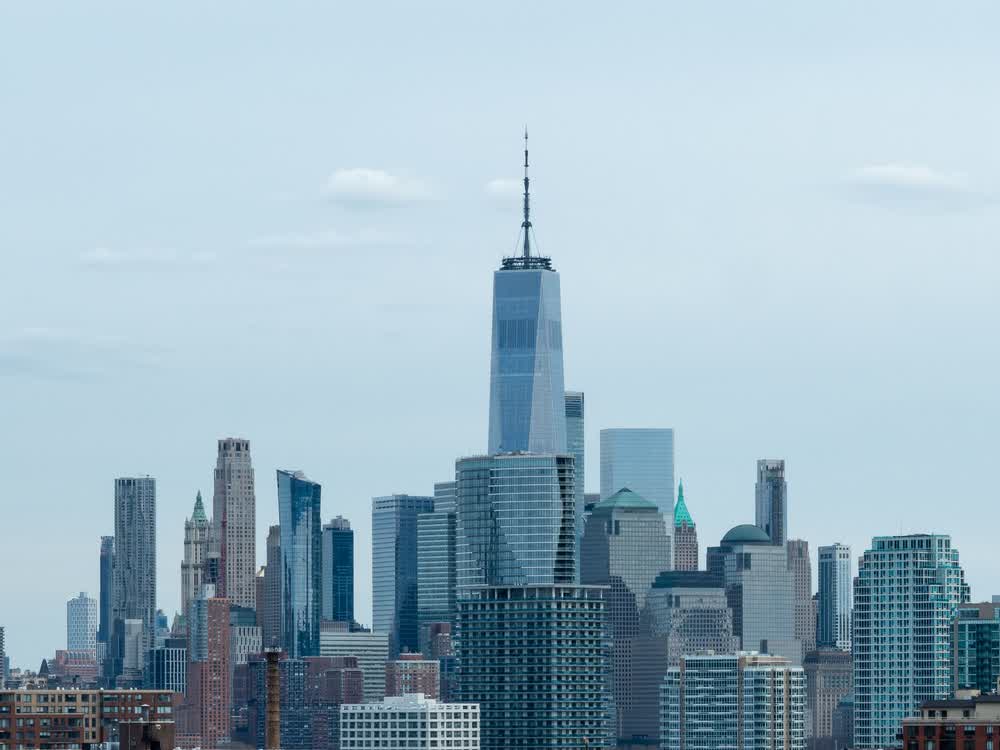
The collapse of the World Trade Center released huge clouds of dust, smoke and debris. Rescue, recovery and cleanup went on for months, and people who lived, worked or went to school nearby were exposed too.
Congress created two programs. The World Trade Center Health Program, run by the National Institute for Occupational Safety and Health within the CDC, provides medical monitoring and treatment for certified 9/11-related conditions, free of charge to eligible members. The September 11th Victim Compensation Fund (VCF), run by the Justice Department, pays compensation for physical harm or death and is a no-fault alternative to lawsuits.
Who may be affected
Responders include firefighters, police, recovery and cleanup workers and volunteers at Ground Zero, the Staten Island landfill and the debris barge piers, as well as responders at the Pentagon and Shanksville, Pennsylvania. Survivors include people who lived, worked or went to school or day care in the New York City disaster area, or who were caught in the dust cloud on 9/11.
For the VCF, the NYC Exposure Zone is Manhattan south of a line along Canal Street, East Broadway and Clinton Street, plus debris removal routes for people who handled debris. Presence there between September 11, 2001 and May 30, 2002 counts. The WTC Health Program uses its own map and time rules; for many survivors, that means at least 4 days of 4 or more hours each through January 10, 2002, or 30 such days through July 31, 2002.
Covered health conditions
The WTC Health Program covers several groups of conditions once they are certified as 9/11-related. Some have timing requirements, and enrollment alone does not mean a condition will be certified.
- Airway and digestive conditions, such as asthma, chronic sinus problems, chronic cough, COPD and acid reflux (GERD)
- Many cancers, including blood, breast, colorectal, lung, prostate, thyroid and skin cancers and mesothelioma; uterine cancer was added in January 2023
- Mental health conditions, such as PTSD, depression and anxiety
- Injuries suffered during the response and, for responders, certain muscle and joint problems
Where things stand (as of October 2026)
The WTC Health Program serves about 137,000 responders and survivors. In early 2026, Congress passed a funding fix that changed the program's funding formula to head off a shortfall that would have cut services starting in 2027, with funding set through 2040.
The VCF remains open. It marked 25 years since the attacks in September 2026 and continues to accept registrations and claims under its deadline rules.
Deadlines and what to gather
The VCF has two kinds of deadlines. You must register within two years of the date a government body, such as the WTC Health Program, notifies you that your condition is 9/11-related; for program members, the clock runs from the most recent certification. Registering does not commit you to anything. The final date anyone can file a VCF claim is October 1, 2090. Other benefits, such as workers' compensation, and any lawsuit have their own time limits, which differ by state.
- Documents showing you were there, such as employment, school, housing or union records
- Your WTC Health Program member number and certification letters
- Medical records for each condition
- Records of lost income, if you are claiming economic loss
Talking to a lawyer
You do not need a lawyer to apply to either program, and the VCF does not refer people to lawyers. Some people hire a licensed attorney for complex claims, such as those involving lost earnings or a death. By law, a lawyer's fee for a VCF award cannot exceed 10 percent, including routine expenses.
The WTC Health Program and the VCF Helpline (1-855-885-1555) can answer questions about each program. Your state bar's lawyer referral service can help if you want a lawyer.